
Summery
After having a look at the fashion timeline this is quite comprehensive look at Fasching generally in the UK through the last 50 years. After some time to reflect I wanted to see if there were much bigger influences that could be obtained by looking at their five continents of the world and picking out a few influencing of fashion senses is from each of those continents. This research is just to add a bit of weight and depth to the timeline research and to see if we can add a deeper richness and cultural ” je ne sais quoi” to the project?
Africa
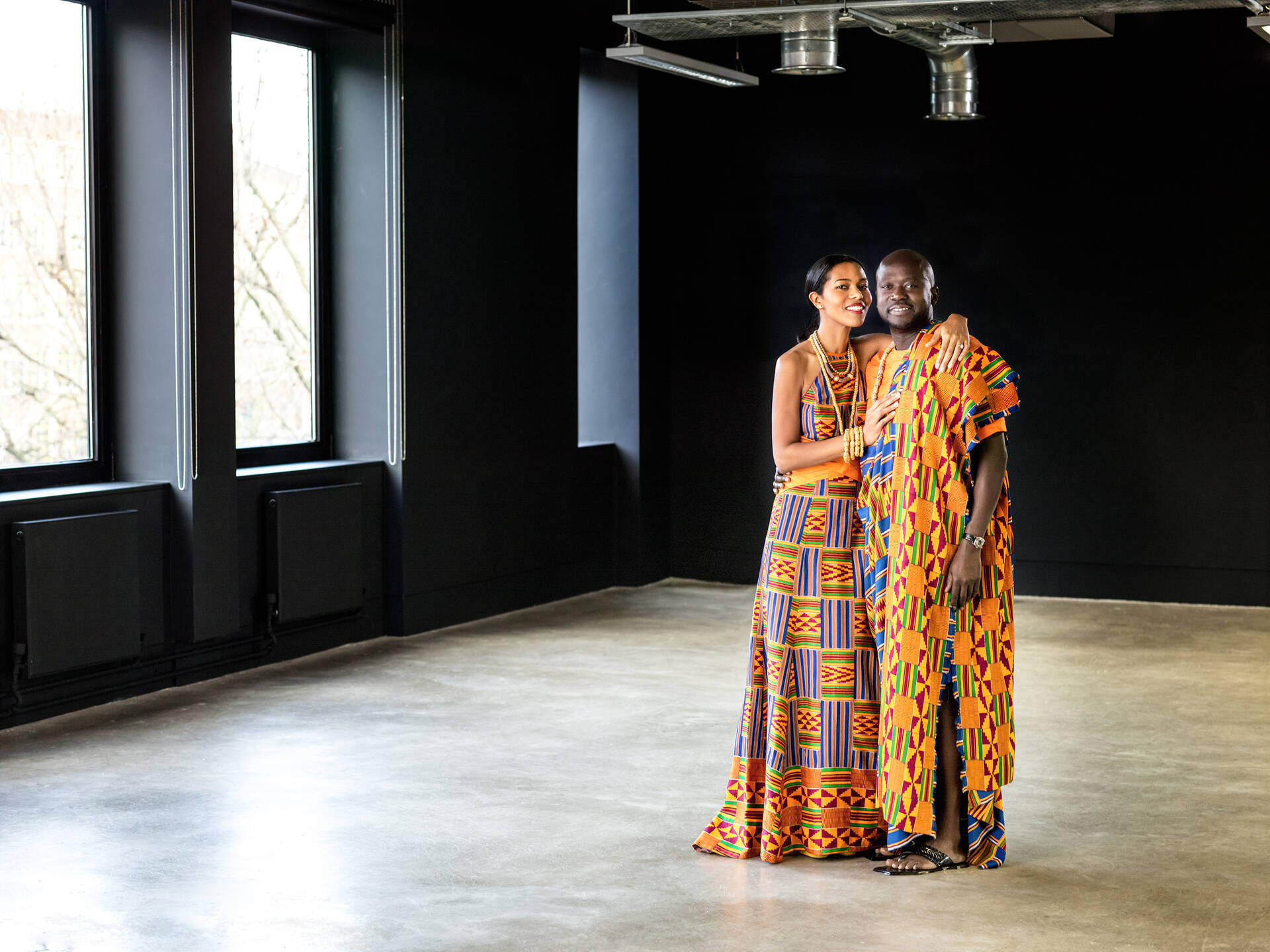
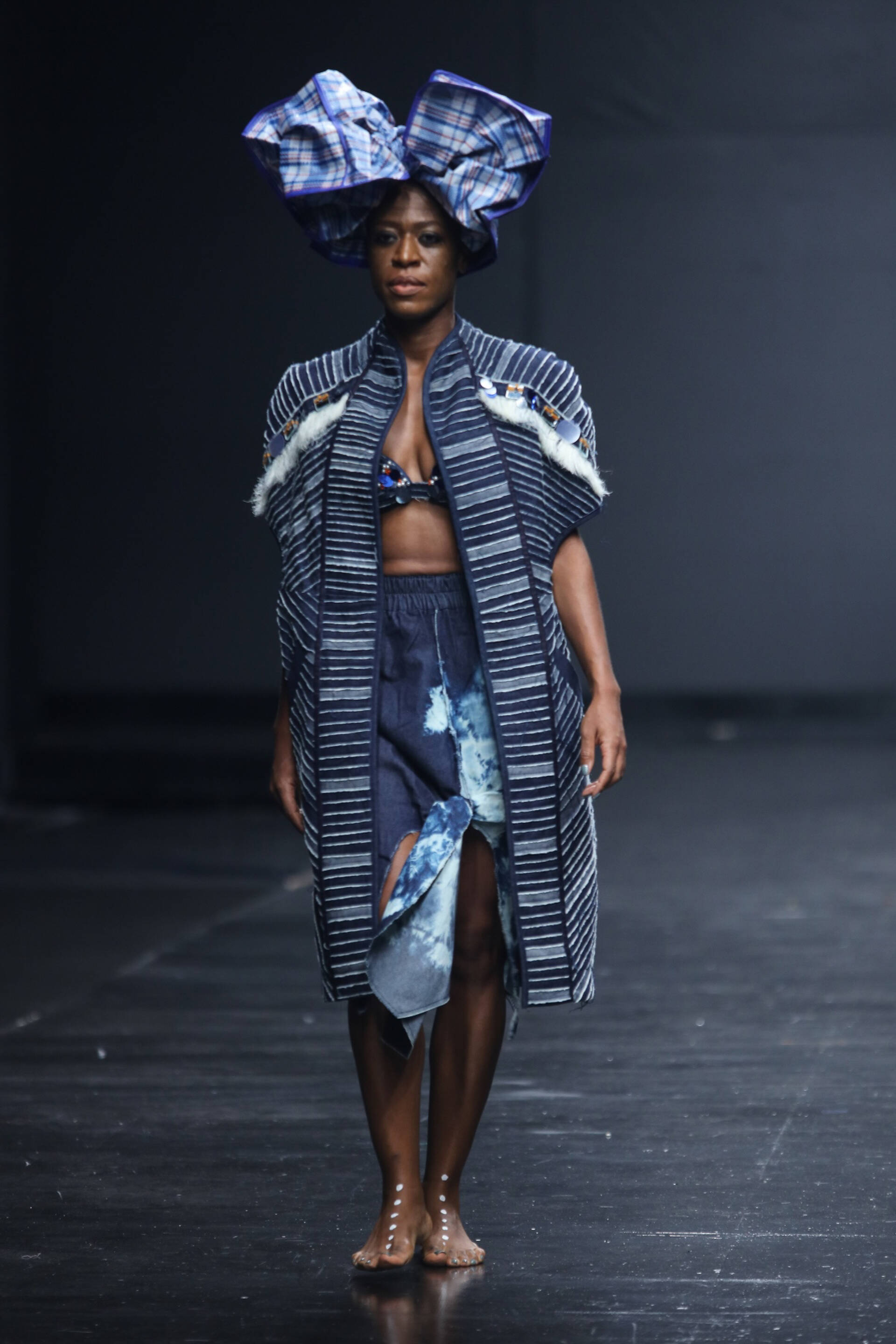
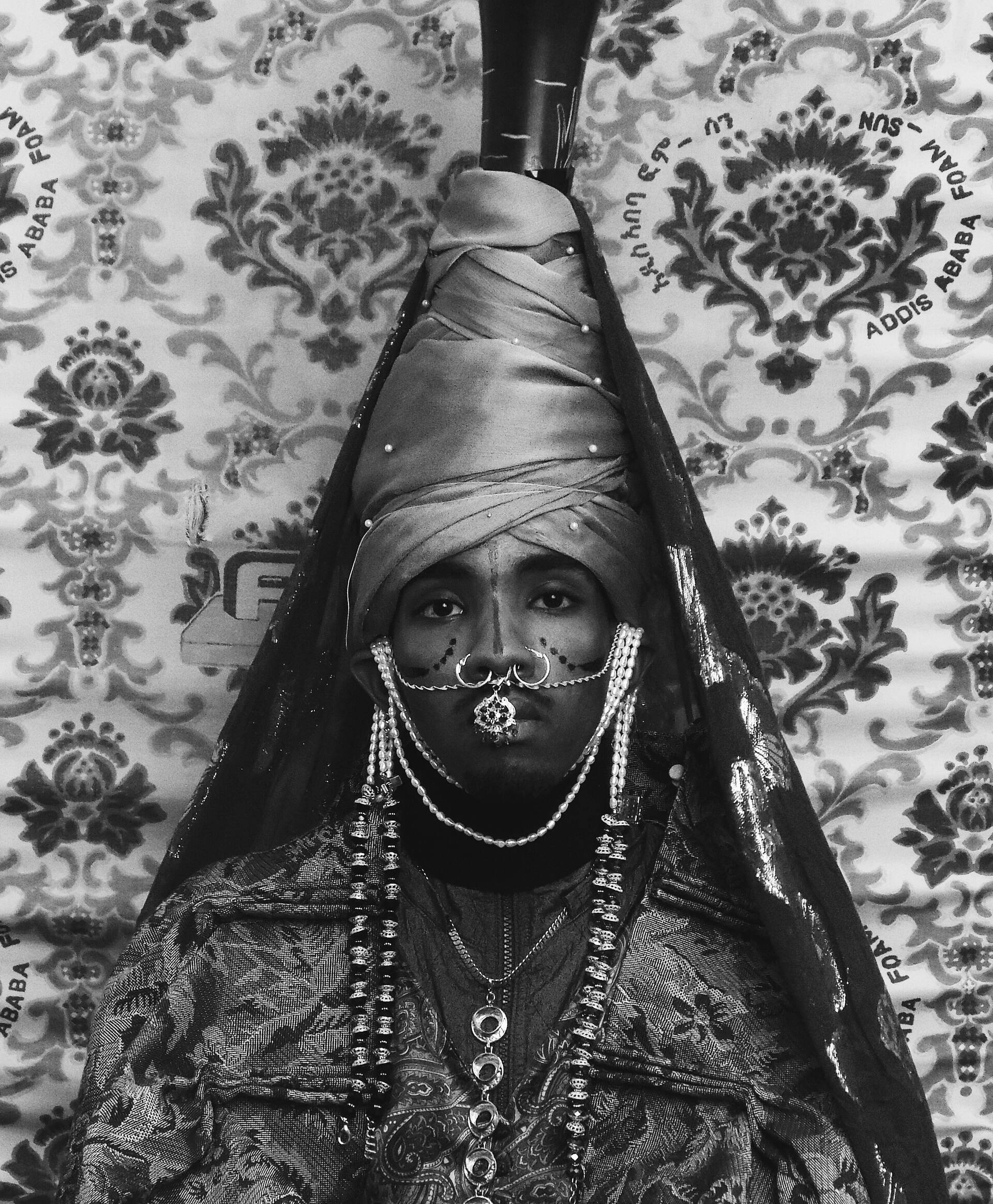
African clothing and fashion is a diverse topic that is able to provide a look into different African cultures. Clothing varies from brightly coloured textiles to abstractly embroidered robes, to colourful beaded bracelets and necklaces. Since Africa is such a large and diverse continent, traditional clothing differs throughout each country. For example, many countries in West Africa have a “distinct regional dress styles that are the products of long-standing textile crafts in weaving, dyeing, and printing”, but these traditions are still able to coexist with western styles. A large contrast in African fashion is between rural and urban societies. Urban societies typically are exposed more to trade and the changing world, while it takes more time for new western trends to get to rural areas (wikipedia, n.d.)
China/ Asia
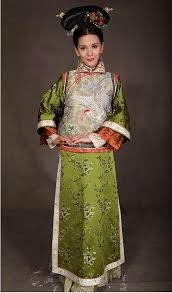

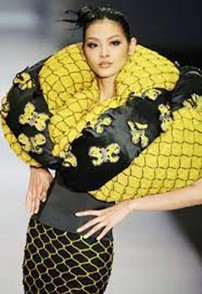
Well-Known Traditional Chinese Clothes Types (muilty, 2022)
The Hanfu, Zhongshan suit (Mao suit), Tang suit, and cheongsam (qipao) are the some of the most distinctive types of traditional Chinese clothing.
The Most Traditional Chinese Clothing The Hanfu (‘Han clothing’ — the majority of Chinese are of Han ethnicity) is the oldest of China’s traditional clothes. Legend traces it back to over 4,000 years ago when Huangdi’s consort, Leizu, made cloth with silk. It was constantly improved throughout several dynasties. Until the Han Dynasty, the Hanfu was adopted and vigorously promoted by the ruling class. It then became the national clothing of the Han ethnic people. It also had a far-reaching influence on neighbouring Asian countries, such as Korea, Japan, and Vietnam.
Types of Hanfu for Women and Man People use various ornaments to decorate their Hanfu, worn on the belt or sash. The ornaments are called pei (配, which means match or decorate). The more decorations they had, the higher social status they had. Men wore hats, and women wore headpieces to go with their Hanfu. Hanfu can be divided into three styles: jacket with skirt, jacket with trousers, and one-piece dress. The most popular style is the jacket with skirt style, which is worn by women. Read more about Hanfu. Tang Suit The Tang suit often refers to a type of Chinese jacket rather than the clothing of the Tang Dynasty (618–907). The origin of Tang suit actually only dates back to the Qing Dynasty era (1644–1911). It was developed from a type of the era’s Manchurian clothing — the magua (马褂, ‘horse gown’).
This name came from the overseas Chinese. As the Tang Empire was famous for being prosperous and powerful in the world, foreigners called the overseas Chinese people “the Tang people” and the clothes they wore were called “Tang suits” (which has been translated as Tangzhuang 唐装).
Europe
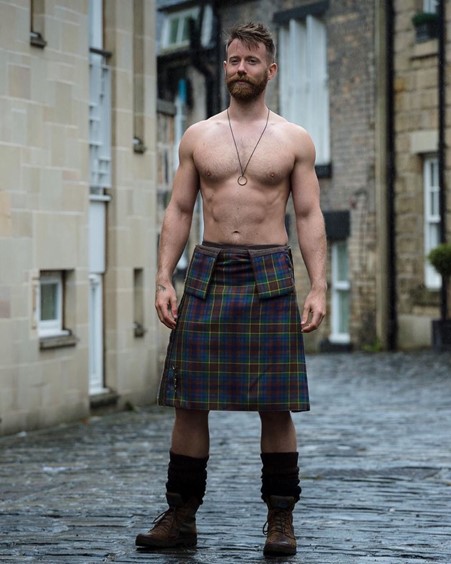
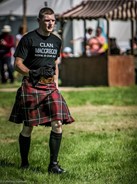
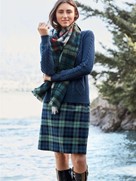
There are lots of traditional dress styles in Europe however because I’m Scottish I think I’ll focus on the traditional Scottish dress. As I think it is very appropriate for this project where Scotland have been flying the flag for gender neutral clothing I’m smashing stereotypes for hundreds of years but the concept behind the killed is that it can wrap around your waist several times it’s not only fashionable it’s practical it can be used as sleeping blanket that’s why you should wrap around your body several times so that it can cover the whole body. (Edgar, 2022)
A kilt is a type of knee-length men’s dress skirt non- beautified with pleats at the back, originating in the traditional dress of Gaelic men and boys in the Scottish Highlands It is first recorded in the 16th century as the great kilt a full-length garment whose upper half could be worn as a cloak. The small kilt or modern kilt emerged in the 18th century, and is essentially the bottom half of the great kilt. Since the 19th century, it has become associated with the wider culture of Scotland and more broadly with Gaelic heritage. It is most often made of woolen cloth in a tartan pattern.
Although the kilt is most often worn on formal occasions and at High land games and other sports events, it has also been adapted as an item of informal male clothing, returning to its roots as an everyday garment. Particularly in North America, kilts are now made for casual wear in a variety of materials. Alternative fastenings may be used and pockets inserted to avoid the need for a Sporran. Kilts have also been adopted as female wear for some sports. (muilty, wikipidia, not known)
America
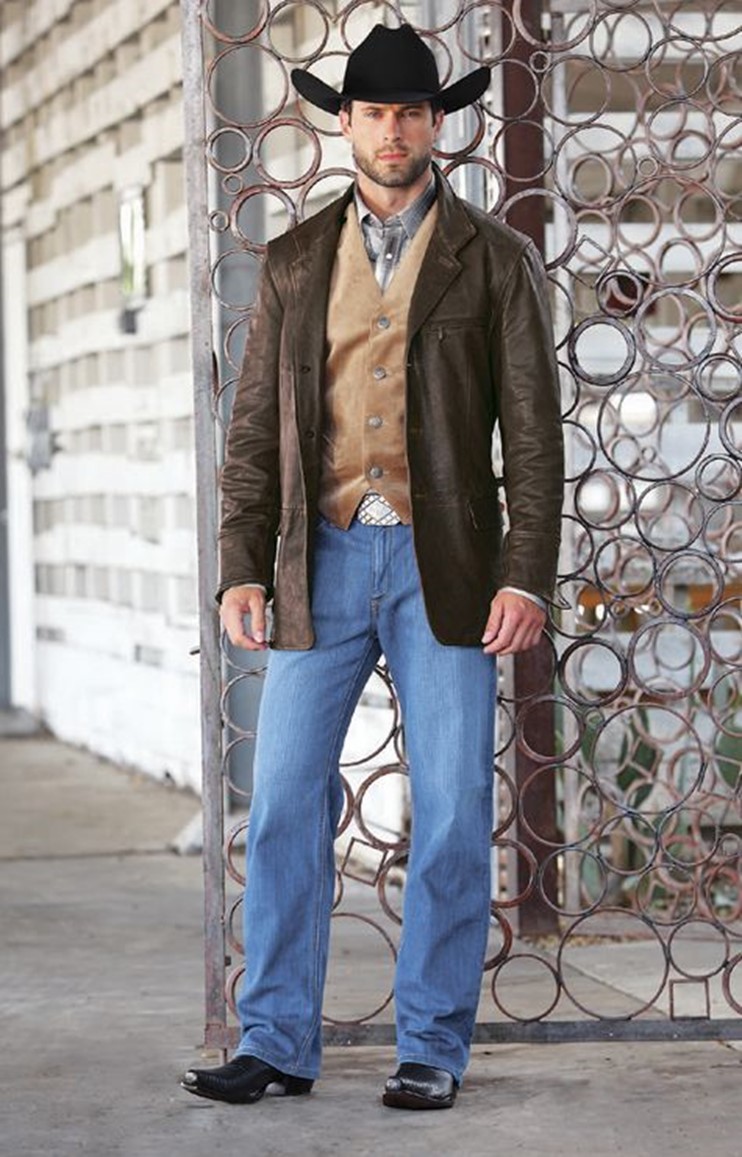
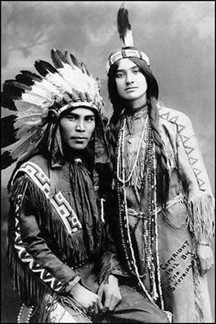
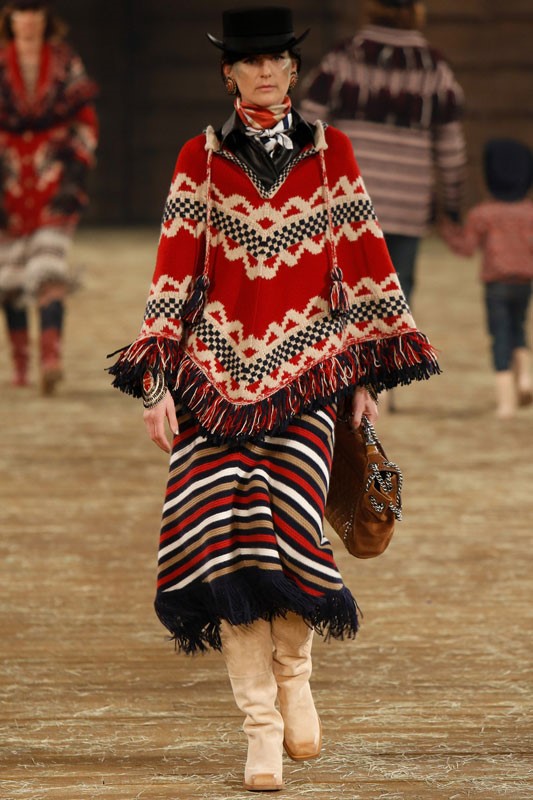
Dressing up as a Native American is never appropriate. For years, classrooms across the country have included special days where students “dress up” as Native Americans for different celebrations and lesson activities. Often, the outfits people wear to look “Indian” have nothing to do with Native people and cultures. Native American cultures are vastly diverse and have a wide range of traditions that determine the clothing and adornment Native people wear. “Dressing up” as Native Americans gives students a generalized and inaccurate perspective on Native cultures and identities. Often, these costumes suggest that Native cultures exist only in the past. We promote lessons and activities that share the continuance and creativity of Native American life and cultures.
We ask that you and your students specifically refrain from making or wearing Native masks, headdresses, or imitations of either. We promote teaching about specific Native traditions without adapting them into your classroom. For example, in some Native communities, masks and headdresses are worn only by specific people who have particular abilities, have achieved a specific status, or possess certain cultural knowledge.
Today, many Native Americans wear traditional clothing for social and ceremonial occasions. In some Native cultures, people wear their traditional clothing every day. Traditional clothing, or regalia, is an important and lively aspect of Native cultures. Many Native American artists and designers integrate contemporary fashion and tradition to celebrate their unique and vibrant heritage. Today, Native identity is shaped by many complex social, political, historical, and cultural factors.
Australia
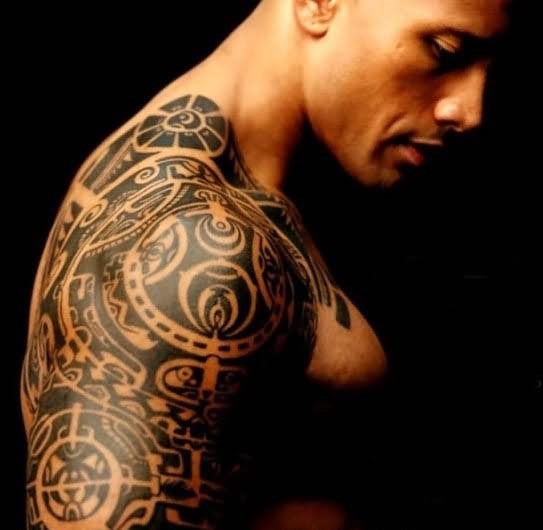
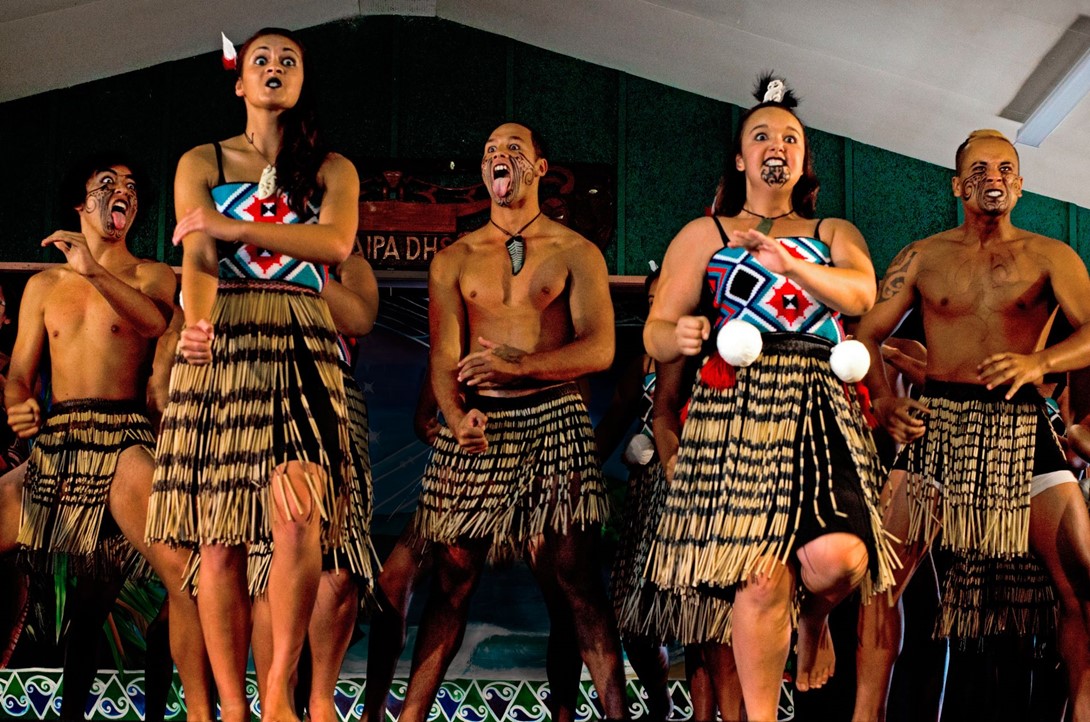
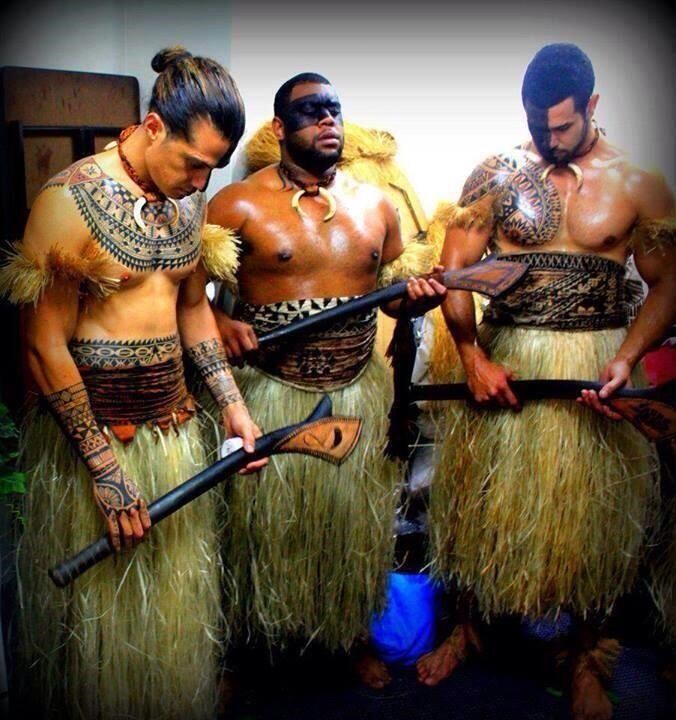
In New Zealand, there is no single official national dress, every ethnic group uses its own folk costumes and has its own clothing traditions. But among the most popular traditional outfits of New Zealand are Māori costumes. These garments, accessories, and jewellery pieces are made from local plants, animal skins, bird feathers, etc, so they’re truly unique and characterize this island country perfectly. Let’s find out how Māori folk clothes look like.
The Māori are the indigenous Polynesian people of mainland New Zealand. Their ancestors moved to New Zealand somewhere around 1320-1350. The Māori culture is so interesting because it was formed in isolation on New Zealand Island.
The Māori traditional clothing was formed on the island as well because when the ancestors of modern Māori people came to New Zealand on canoe boats, they couldn’t bring a lot of things with them and were forced to acclimate to new conditions and use locally available materials. They learned which plants and animal materials suited better for their purposes and created clothes from them.
What materials did Māori use to make clothing?
They were rather inventive, but the main plant fibbers were harakeke (local New Zealand flax), cabbage tree, and various grasses – Māori wove fabric from these. If to talk about animal materials, a wide variety of animals and birds can be found in New Zealand, their skins and feathers were great to create clothing, headdresses, and other pieces. The skins of seals and kurī (Polynesian dogs that are now extinct) were very popular.
Did Māori use a lot of clothes?
Many people think that aboriginal tribes didn’t wear a lot of clothing, only a few loin cloths and grass skirts. But, the Māori clothing traditions are more complicated. They wore several garments to cover their nudity, protect the body from bad weather conditions, and even show the status of the wearer. Of course, they used loin cloths and grass skirts, but not only them. (nationalclothing.org, 2019)
Bibliography
Edgar, R., 2022. [Online].
image, g., 2022. muilty images. [Online]
Available at: https://www.google.com/search?sxsrf=APq-WBuaEX2xOosYMqXseVoJcv5QgP6UCg:1650205202257&source=univ&tbm=isch&q=china+fashion+2000&fir=ez5TYsC3jlBnuM%252CVzl7QLyJWG_JnM%252C_%253Bsj9D3ZD_k4nzlM%252C07DPTMyYaxG6dM%252C_%253B1okU6U0hrCIiYM%252CM4-kUdSoEnxQCM%25
muilty, 2022. chinahighlight. [Online]
Available at: https://www.chinahighlights.com/travelguide/traditional-chinese-clothes.htm
muilty, not known. wikipidia. [Online]
Available at: https://en.wikipedia.org/wiki/Kilt#:~:text=A%20kilt%20(Scottish%20Gaelic%3A%20f%C3%A8ileadh,boys%20in%20the%20Scottish%20Highlands.
nationalclothing.org, 2019. nathional clothing. [Online]
Available at: http://nationalclothing.org/129-australia-and-oceania/new-zealand/816-m%C4%81ori-folk-clothing-from-new-zealand-what%E2%80%99s-the-national-attire-of-new-zealand.html
V&A, 2018. Victorian and Albert. [Online]
Available at: https://www.vam.ac.uk/exhibitions/africa-fashion
wikipedia, n.d. wikipedia. [Online]
Available at: https://en.wikipedia.org/wiki/Clothing_in_Africa
 ¿Dentity