
Some secondary research regarding fashion and fashion eras I’ve chosen six of the best fashion throughout history and I will create a mini fashion timeline just to have an overview of trains movements and significant periods over the last 100 plus years. I can see there’s some crossover between art movements and fashion movements primarily because of the era that corresponds to each of those movements it will be interesting to find out similarities between the art movements and the fashion movements.
The Renaissance era (Lexingtonline, 2018)
The Renaissance era took place between the 14th and 17th centuries. It was known as a “rebirth” following the Middle Ages. The Renaissance was truly the time for art, literature, and philosophy to shine. History stated, “Some of the greatest thinkers, authors, statesmen, scientists, and artists in human history thrived during this era.”
When it came to fashion during the Renaissance period, there were laws that regulated who wore what. Clothing depended on the class system; certain styles and materials could only be afforded by the wealthy, and the lower class wore fabrics like linen derived from the flax plant, wool, or sheepskin. The fabrics worn by the upper class included silk velvet and Brocard The basic styles from this era for women were gowns with tight bodices, and full skirts down to the ankles. I’m already getting sweaty thinking about wearing these gowns all day. These gowns restricted movement for the wealthy women, but lower-class women wore looser corsets since they were servants and needed freedom for movement.
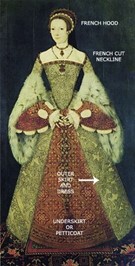
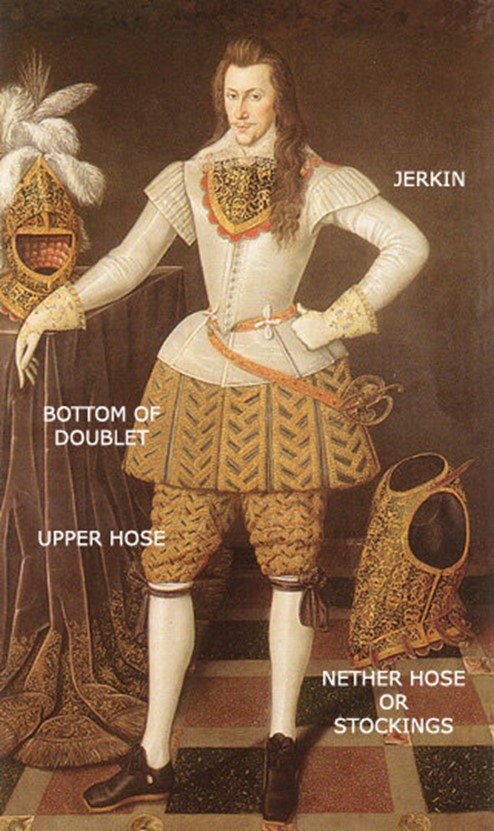
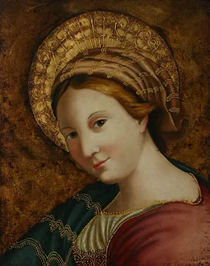
After starting this initial piece of research, I soon discovered that the relevance to popular culture and fashion I may need to focus on the last 50 years of fashion just to make it relevant to the research and project theme so the next 5 fashion movements will be for the five decades prior to 2000 just to have a more comprehensive overview of popular culture and?
From the 1950-1990
1950s
With rations well and truly over, women’s fashion became more luxurious; skirts had pleats and gatherings, and bold colours and patterns remained popular. Commonly used materials included nylon, rayon, wool and leather.
Glamour became an important part of women’s fashion – empire dresses were worn day and night, and petticoats were often worn under dresses and skirts, creating more shapely figures while also providing the practicality of an extra layer for warmth.
Stilettos and beehive hair styles were used to complete the most stylish looks of this decade, making the 1950s one of the most glamorous periods of the 1900s. (lcca, 2015)
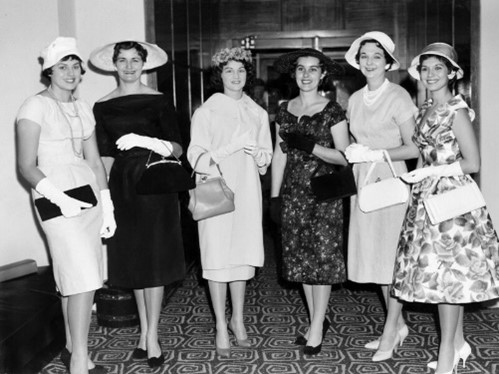
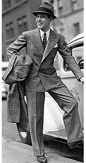
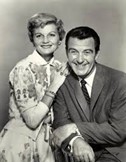
As you can see from the 1950s, I have used a selection of images representing both males and females the males generally are very formal two piece suits hats are still being worn? Females are wearing plain colours or florals very straight lines and also heart still beating worn in this tine (Edgar, 2022)
1960s
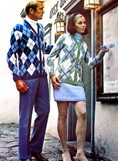
Fashion designer Many Quant influenced the rise of miniskirts during the 1960s. In 1961, hemlines typically sat just above the knee, climbing higher in the following years; by 1966 some mini hems reached the upper thigh, and the end of the decade even saw the introduction of the micro-mini. Stockings were replaced by coloured tights for practicality.
Mary Quant and her miniskirts were closely associated with mod fashion, which also covered bold patterns and go-go boots. Such trends always started in London and were heavily represented in Carnaby Street and the surrounding areas.
Other iconic pieces from this decade include buckled shoes, pantyhose, and the pillbox hat which grew in popularity after Jackie Kennedy made them her signature. (lcca, 2015)
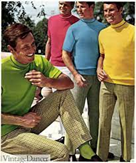
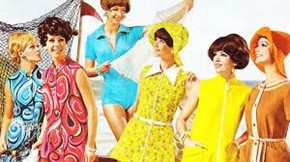
(Google, 2022)
As you can see from the 1960s the colour palette has dramatically increased it’s bright bold colours statements and even more sexy look to their fashion with their miniskirts the gentlemen are looking much more relaxed and less business-like and more comfortable (Edgar, 2022)
1970s
The 70s is often described as a fun era for fashion. Some of the best elements of 60’s fashion made it into the 70s, only more flamboyant than the previous decade. Seventies style has been described as a blend of mod and hippie. Flares and bells bottoms were staple trends (especially in the first half of this decade), as were platforms.
Maxi dresses and wrap dresses brought a more bohemian style to the 70s, and it was often hard to tell which dresses were designed for daywear and which were designed for evening wear. Jumpsuits offered a fashionable alternative to dresses.
Other popular trends of the decade included cowl neck sweaters and chevron prints. (lcca, 2015)
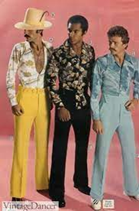
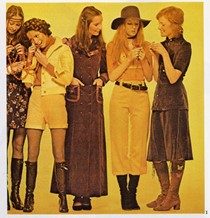
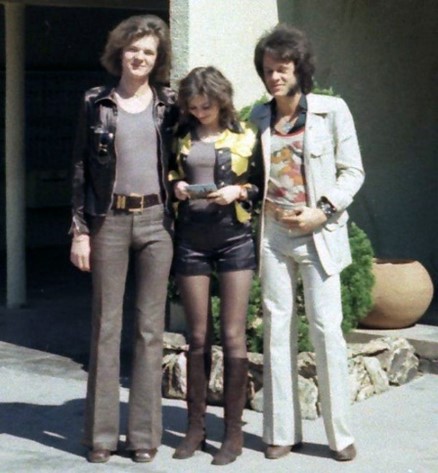
In the 1970s with the very famous bellbottom trousers there’s a more natural feel to this decade colours are less fashionable and more organic, and coffee and clothes seemed to be more multi-functional and practical. (Edgar, 2022)
1980s
A fitness phase which took over in the 1970s carried over into the early 1980s, with a heavy focus on aerobics. Leotards, tights and velour tracksuits were incredibly popular, as were legwarmers and sweatbands worn around the forehead.
The early to mid-1980s also brought with it the New Romantic age, influenced by the punk scene. The style incorporated bold eyeliner, spiked or backcombed hair, as well as historically influenced clothing.
Other trends of this decade included trench coats, turtleneck jumpers, embroidered jeans and faux fur. (lcca, 2015)
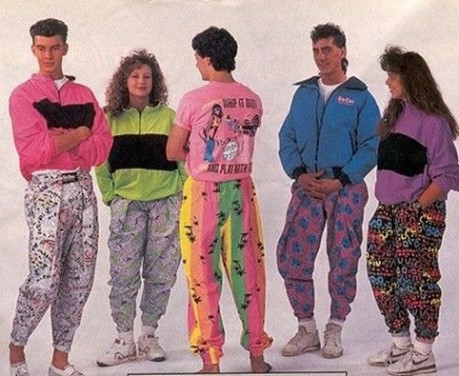
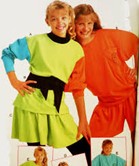
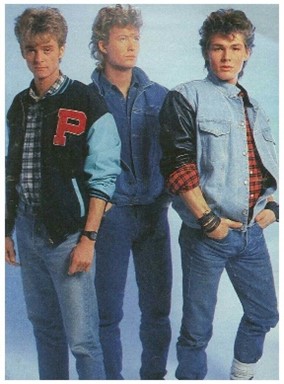
In the 80s as a child grown up I can definitely relate to you the practicality of clothing the shell suits loose bottoms very comfortable bright colours all these things appeal to me as a young person. Pop culture became a number one industry and influencing the fashion as well this was a melting pot of many different genres coming into one decade. (Edgar, 2022)
1990s
The beginning of the 90s brought with it a style heavily influenced by the grunge scene. Denim jackets, ripped jeans and Dr Martens were three of the top trends during the first half of the decade, led by fashion icons such as Courtney Love and Winona Ryder.
Rave culture rose in popularity towards the end of the 90s, with neon colours and smiley faces heavily featured in any wannabe-raver’s wardrobe. Baseball caps also became a must-wear, with the peaks often bent into a tight curve, or turned towards the back.
Other trends that made an appearance during the 90s included the crop top, dungarees, Capri pants and chokers.
If you are interested in a career in fashion, a degree in Fashion Design or Fashion and Textiles could be your first step. (lcca, 2015)
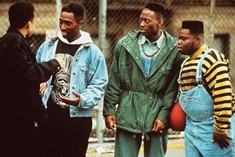
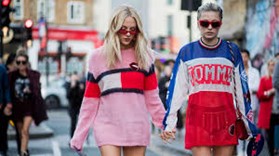
1990s for me this decade was definitely the start of the supermodel era and very predominant models earning high amounts money and then fashion maybe took a side track away from the catwalk to every day man and woman on the street designers were starting to have branding and logos available to the general public in an affordable price range but still set at a very high price I definitely see the break away from the individual in connection to profiteering and money within the fashion industry? (Edgar, 2022)
References
Edgar, R., 2022.
Google, 2022. google images. [Online]
lcca, 2015. London College of contemporary arts. [Online]
Available at: https://www.lcca.org.uk/blog/fashion/the-evolution-of-fashion-1900s/
Lexingtonline, T., 2018. the lexington line. [Online]
Available at: https://www.thelexingtonline.com/blog/2020/5/20/6-best-fashion-periods-throughout-history
 ¿Dentity